Growing More in Canada's Short Frost-Free Window
Practical methods for raised beds, cold frames, and companion planting adapted to short growing seasons across Canadian climate zones.

Featured Articles
Strategies for the Northern Garden
Each article addresses a core technique for extending production within frost-limited seasons.
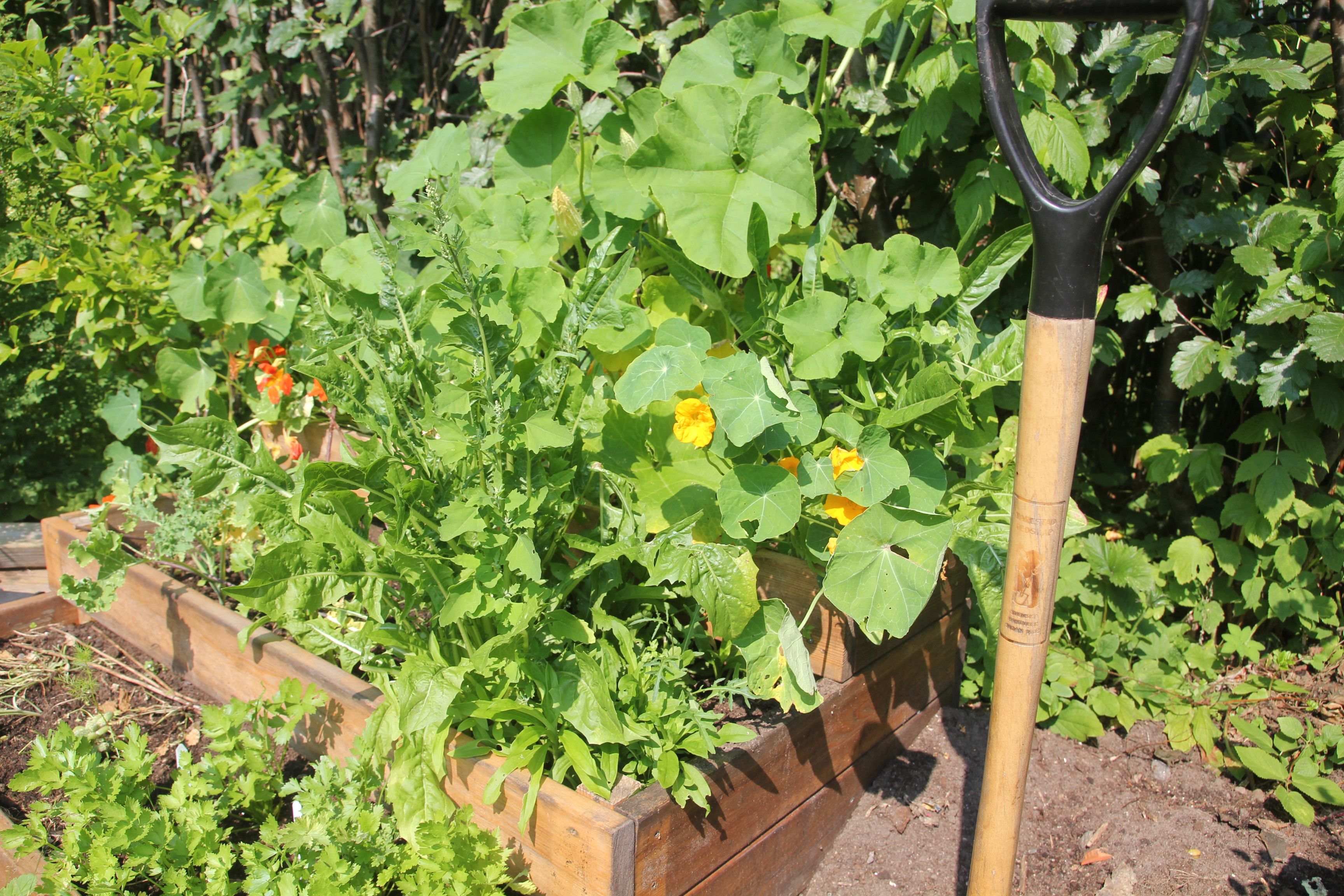
Building Raised Beds for Short Canadian Growing Seasons
How elevated planting structures warm soil faster and extend usable growing days in zones 3–5.

Cold Frames as Season Extension Tools in Northern Climates
Construction, placement, and crop selection for unheated cold frames that add weeks to each end of the season.
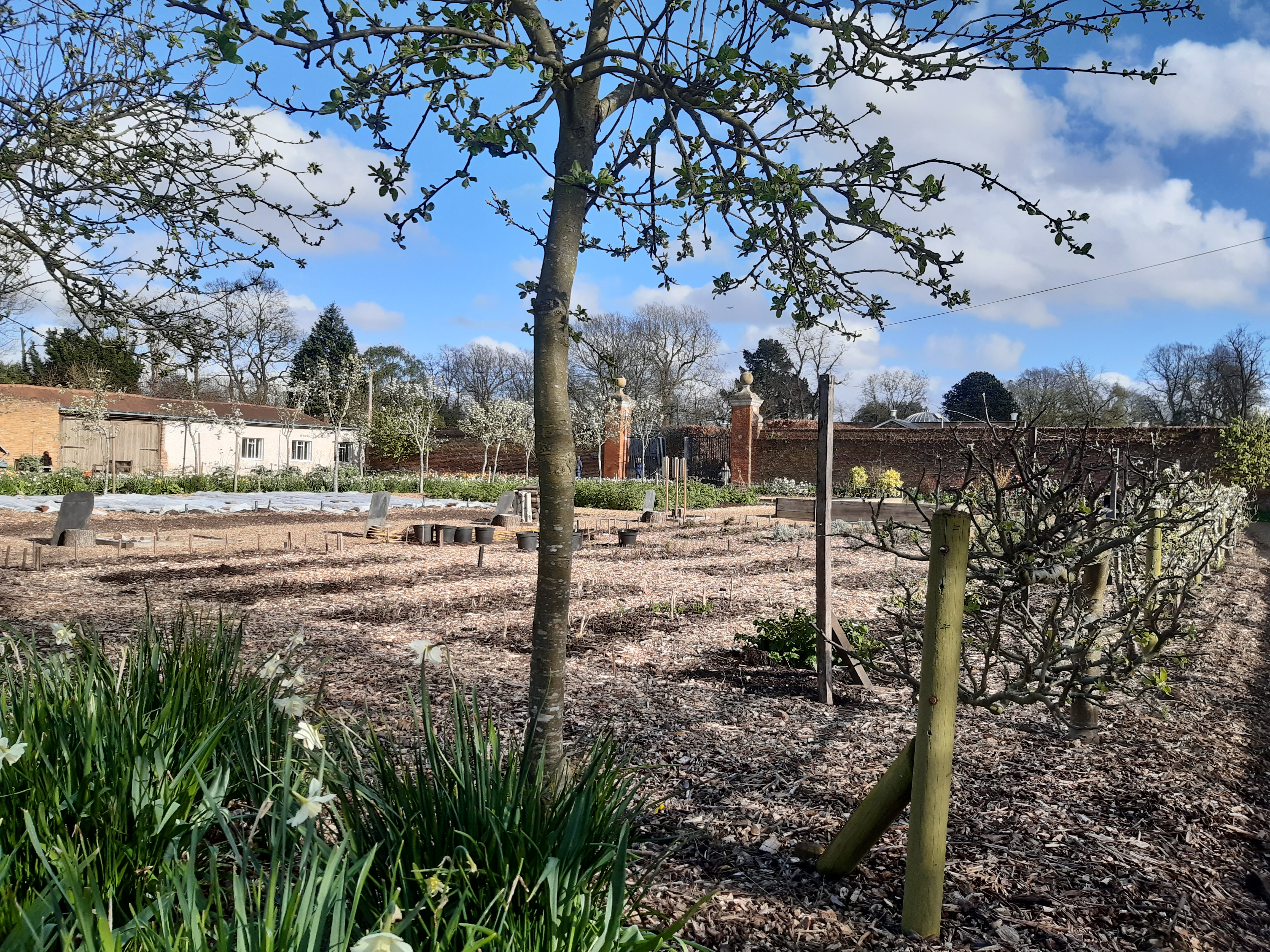
Companion Planting Combinations for Northern Kitchen Gardens
Selecting plant pairs and guilds that improve yields and reduce pest pressure within compressed growing calendars.
Canadian Context
Designed for Zones 3–6
Most of the Canadian Prairie provinces, Ontario north of Sudbury, and large parts of British Columbia's interior fall within hardiness zones 3 to 6. Frost-free periods in these areas typically run between 90 and 150 days, depending on elevation and local terrain.
Standard gardening guides written for temperate European climates or the American Pacific Northwest often assume 200-plus frost-free days. The techniques covered on this site are adapted specifically for the constraints of shorter windows.
Raised beds, cold frames, and deliberate companion planting guilds are among the most practical methods available to home growers working within these limits.
Key Considerations
Soil Warming
Spring soil temperatures in raised beds rise faster than in-ground plots, allowing earlier transplanting and direct sowing.
Frost Protection
Cold frames and low tunnels can shift effective planting dates by three to four weeks at both ends of the season.
Space Efficiency
Companion planting and succession sowing ensure that limited growing area is used continuously through the season.
References
Authoritative Sources
The information on this site draws on publicly available resources from recognised research and government bodies.
Agriculture and Agri-Food Canada
Plant hardiness zone maps and climate data for Canadian provinces.
agr.gc.ca →Guelph Centre for Urban Organic Farming
Research and extension resources on intensive vegetable production in Ontario.
uoguelph.ca →OMAFRA — Ontario Ministry of Agriculture
Vegetable production guides covering soil preparation, frost dates, and row covers.
ontario.ca →