Across much of Canada, the period between last spring frost and first autumn frost spans fewer than 150 days. In zones 3 and 4 — covering large parts of the Prairie provinces, northern Ontario, and Quebec's Laurentian region — that window can be as short as 90 to 100 days. Raised bed systems address this constraint directly by manipulating the soil environment rather than waiting for ambient conditions to improve.
Why Soil Temperature Matters More Than Air Temperature
Germination and root development depend on soil temperature, not air temperature. Many vegetable crops require a minimum soil temperature of 10°C before seeds will germinate reliably. In ground-level garden beds, soil at a depth of 10 cm often does not reach this threshold until late May or early June in zone 4, regardless of what the air thermometer reads in April and May.
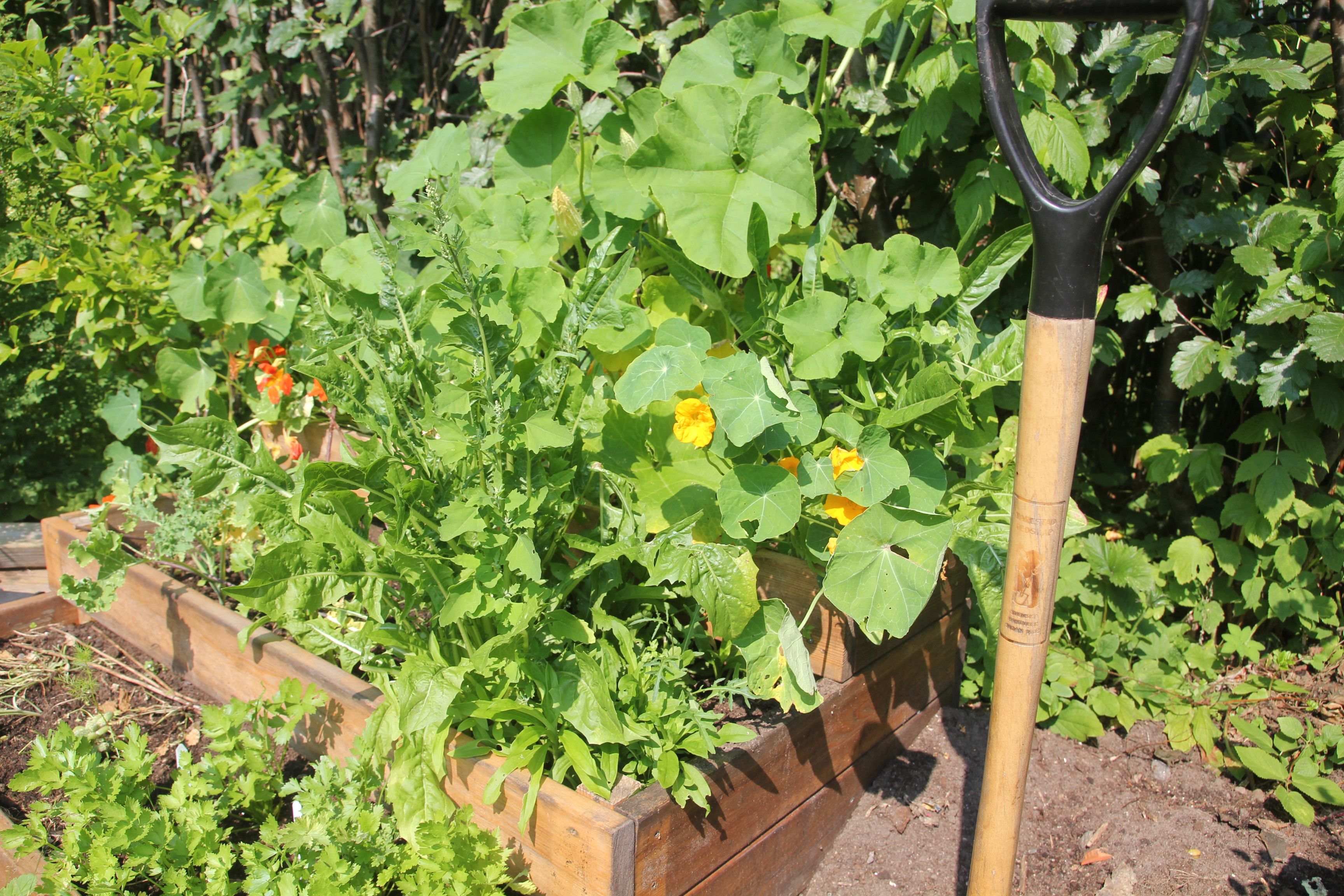
A raised bed built to a depth of 30–45 cm and filled with a well-structured growing medium will warm several degrees faster than adjacent in-ground soil. This is partly due to the smaller thermal mass and partly because drainage keeps the medium from becoming waterlogged after spring snowmelt, which delays warming in heavier in-ground soils.
Studies from the University of Guelph and data published by Agriculture and Agri-Food Canada on Canadian soil temperatures suggest that raised structures can provide a soil temperature advantage of 3–6°C in early spring, depending on bed orientation and material of construction.
Practical note: Dark-coloured bed materials — cedar that has been treated with a natural finish, galvanised steel, or painted softwood — absorb more solar radiation and warm soil slightly faster than unpainted pale wood. The difference is marginal in summer but measurable in April.
Sizing and Orientation for Maximum Seasonal Output
The standard recommendation of 90–120 cm maximum bed width is based on accessibility, not just productivity. A bed wider than arm's reach requires stepping into it to tend the interior, which compresses the growing medium and negates one of the key benefits of the system. Beds 60 cm wide are preferable for gardeners with limited mobility.
Length is largely dictated by available space, though beds shorter than 1.5 m are difficult to use efficiently for succession planting. A common practical layout is three beds of 1.2 m × 3 m with 60 cm access paths between them.
Orientation relative to sun angle
In most Canadian locations, a north–south orientation for rectangular beds allows the sun to move along the length of the bed rather than being blocked by taller crops shading shorter ones at the bed's northern end. For beds where tall crops like climbing beans or indeterminate tomatoes will be grown, a north–south layout with tall plants at the northern end is the most efficient arrangement.
Construction Materials for Canadian Conditions
Several materials are widely used for raised bed construction in Canada, each with different longevity and cost profiles.
| Material | Typical Lifespan | Notes |
|---|---|---|
| Untreated cedar | 10–15 years | Naturally rot-resistant; commonly available across Canada |
| Galvanised steel | 20+ years | Rapid heat absorption; check coating type for food safety |
| Hemlock or Douglas fir | 5–8 years | Lower cost than cedar; shorter lifespan in wet conditions |
| Concrete block | Indefinite | Heavy; good thermal mass; alkaline leaching possible near edges |
| Food-grade polyethylene | 10–20 years | UV-stabilised; no rot; lighter than wood |
Pressure-treated lumber containing chromated copper arsenate (CCA) has been largely phased out for residential use in both Canada and the United States, but older stock may still appear at reclaimed material suppliers. It is not recommended for beds where food crops will be grown.
Soil Mix for Short-Season Performance
The growing medium in a raised bed is entirely within the gardener's control, unlike in-ground soil which often requires years of amendment to reach a workable structure. A commonly used starting mix for northern raised beds combines:
- One part finished compost — provides nutrients and biological activity
- One part topsoil — provides mineral content and helps retain moisture
- One part coarse perlite or vermiculite — improves aeration and drainage
This ratio produces a medium that drains freely after heavy rain or snowmelt, while retaining enough moisture between irrigations to avoid frequent watering during dry spells. It also warms faster than dense clay-heavy in-ground soils because of its lower thermal mass and higher air content.
Annual compost addition
The volume of a raised bed's growing medium decreases by roughly 10–15% per year as organic matter decomposes. Topping up with finished compost at the start of each season maintains the bed's depth and nutrients simultaneously. In Canada's short seasons, this annual addition is also timed with the onset of warmer temperatures, which accelerates microbial activity and makes nutrients available as seedlings are being established.
Integrating Cold Frames and Row Covers
Raised beds are physically compatible with supplemental frost protection structures. A box frame sitting on a raised bed allows a sheet of polycarbonate or glass to be placed over the growing area at night, creating a cold-frame effect without the construction of a separate permanent structure. Lightweight row cover fabric — commonly marketed under brand names such as Reemay — can be draped directly over crops or supported on wire hoops set into the bed's edges.
This combination of raised bed plus supplemental protection can advance the planting date by three to four weeks in zone 4 and delay the end of the season by a similar margin, effectively doubling the productive window for cool-season crops like lettuce, spinach, and radishes.
Crop Selection for Raised-Bed Short Seasons
Not all crops benefit equally from raised beds in short-season conditions. The greatest advantages accrue to crops with long maturity times that require the earliest possible start, and to heat-loving crops that cannot be direct sown until soil temperatures reach 15–18°C.
- Tomatoes and peppers — started indoors 6–8 weeks before last frost and transplanted to raised beds once night temperatures reliably remain above 10°C
- Cucumbers and squash — benefit from warm soil at transplanting; sensitive to cold shock
- Root vegetables — beets, carrots, and parsnips germinate well in the warmer raised bed soil in early May
- Greens — lettuce, spinach, and arugula can be direct sown 2–3 weeks earlier in raised beds than in ground
Further Reading
For detailed climate data and hardiness zone maps specific to your location in Canada, the following publicly available resources are maintained by federal and provincial agencies: